FIU Honors College: A Deep Dive for Prospective Students and Parents
By Admissions Untangled
For families researching FIU Honors College, Florida International University Honors Program, and the best honors colleges in Florida, the Honors College at Florida International University is often the piece that changes the conversation. Many prospective students and parents exploring FIU admissions, honors program benefits, and affordable public university honors options discover that FIU Honors uniquely blends the resources and affordability of a large public university with the high-touch academic experience typically associated with smaller private colleges.
Below is the honest, parent-focused breakdown I share with my own clients.
What the FIU Honors College Actually Is

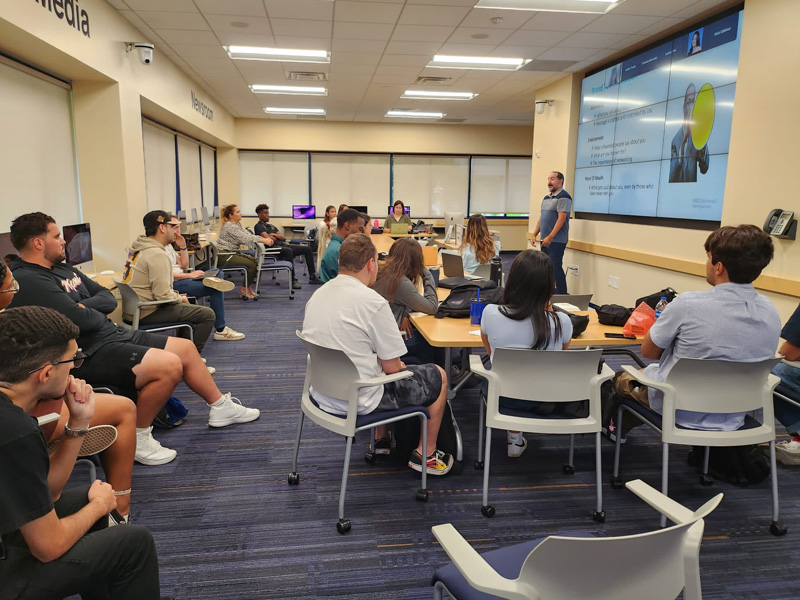

The FIU Honors College is a selective academic program within the university. Students are dual academic citizens—they complete their major while also fulfilling Honors curriculum requirements.
Size matters here:
-
Roughly 2,700–2,750 Honors students
-
About 5% of the overall FIU population
👉 Translation for parents: It makes a very large university feel much smaller.
Admission Requirements: Who Gets In
Admission to Honors is more selective than general FIU admission.
Baseline eligibility typically includes:
-
Weighted GPA of at least 3.7 (FIU recalculation)
-
Strong academic rigor
-
Admission to FIU first
While FIU overall is moderately selective, Honors students usually sit at the upper end of the admitted academic pool.
Admissions Untangled insight:
Competitive applicants typically show:
-
Advanced coursework (AP/IB/AICE)
-
Strong grades in core academics
-
Evidence of intellectual curiosity
The Biggest Benefits (and Why Families Like Them)
⭐ Smaller, Discussion-Based Classes
One of the most meaningful upgrades is class size.
Honors courses are intentionally small and discussion-driven, which helps foster real faculty relationships.
Why this matters:
-
Easier professor access
-
Stronger recommendation letters
-
More engaging classroom experience
-
Often a better fit for many neurodivergent learners
⭐ Priority Registration (Huge Hidden Advantage)
Honors students register 2–3 weeks before the general population.
From a strategic standpoint, this is enormous.
It means students are far more likely to:
-
Get the required classes on time
-
Build balanced schedules
-
Avoid a delayed graduation due to closed courses
Parent translation:
This perk alone can significantly reduce academic stress.
⭐ Dedicated Advising (Two Advisors)
Honors students receive:
-
One advisor in their major
-
One Honors advisor
This dual-advising model is especially helpful at a large university where students can otherwise feel lost in the system.
⭐ Honors Housing Option
Many Honors students live in Parkview Hall, a modern residential community.
Why families like this:
-
Built-in academic peer group
-
More traditional residential feel
-
Stronger first-year community
For students concerned about FIU’s commuter reputation, Honors housing can be a meaningful buffer.
⭐ Scholarships and Enrichment Opportunities
The Honors College offers:
-
Competitive Honors scholarships
-
Honors-specific internships
-
Research opportunities
-
Leadership programming
Not every student receives funding, but the ecosystem is robust and opportunity-rich.
Academic Expectations: What Students Should Know
This is not just a label—there is real work involved.
Honors students typically complete:
-
Specialized Honors coursework
-
Interdisciplinary seminars
-
Experiential learning components
-
A capstone project or thesis (in many tracks)
Reality check from my advising work:
Students must be comfortable with:
-
Reading-heavy seminars
-
Discussion-based learning
-
Independent project work
-
Strong time-management demands
Is Honors at FIU Worth It?
For the right student, often yes.
Students Who Tend to Thrive
FIU Honors is particularly strong for students who are:
✅ Academically motivated
✅ Seeking smaller classes within a big university
✅ Interested in research or graduate school
✅ Comfortable with self-advocacy
✅ Wanting priority registration advantages
✅ Looking for strong value compared to private honors programs
Students Who Should Look Carefully
Honors may feel less ideal for students who:
⚠️ Already feel overloaded with rigor
⚠️ Struggle significantly with executive function
⚠️ Prefer highly structured, hands-on support
⚠️ Want a fully residential small-college environment
Remember: Honors adds both opportunity and expectation.
Honors vs. Regular FIU: The Bottom-Line Difference
Without Honors:
-
Larger lecture exposure early
-
Standard advising
-
Standard registration times
-
More self-navigation required
With Honors:
-
Smaller seminar experience
-
Priority registration
-
Dual advising
-
Cohort community
-
Enhanced academic résumé
For many families, Honors is what transforms FIU from a solid public option into a strategic high-value choice.
Final Thoughts from Admissions Untangled
FIU Honors College remains one of the more underrated value plays in Florida higher education.
It works especially well for students who want:
-
Big university opportunities
-
Smaller academic feel
-
Strong career alignment
-
Florida affordability
The key question I always ask families is:
Will your student use the opportunities?
At FIU Honors, students who lean in tend to accelerate quickly.